Overview of High-Protein Low-Carb Vegetarian Diet
High‑protein, low‑carb vegetarian plans prioritize tofu, tempeh, eggs, Greek yogurt, nuts, seeds, and legumes while limiting grains and sugars. A 2,000‑calorie PDF menu balances 20–30% protein, <15% fat, <30% carbs, and 25–30 g fiber daily. It also offers quick swap charts for protein boosts and carb reduction
Definition and Core Principles
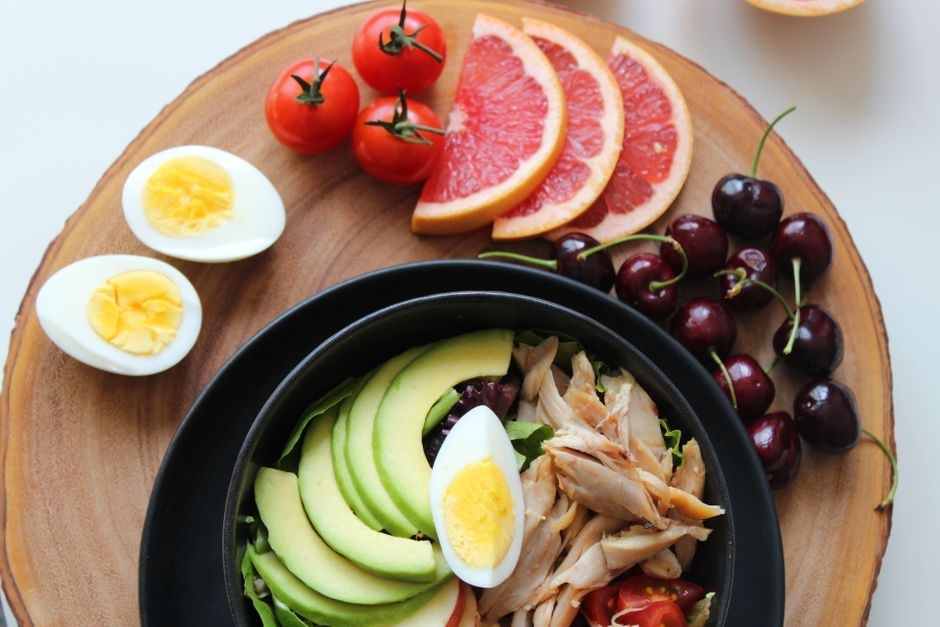
High‑protein, low‑carb vegetarian plans are structured around plant‑based protein sources—such as tofu, tempeh, eggs, Greek yogurt, nuts, seeds, and legumes—while deliberately limiting refined grains, added sugars, and starchy vegetables. A typical 2,000‑calorie PDF menu targets 20–30 % protein, <15 % fat, <30 % carbohydrates, and 25–30 g of dietary fiber each day. Core principles include precise macronutrient distribution, portion control, and meal timing that supports satiety and metabolic health. The diet encourages nutrient‑dense foods, balanced micronutrients, and adequate hydration. It also promotes flexibility: swapping protein sources, adjusting carb limits, and using low‑glycemic vegetables to maintain blood‑sugar stability. By adhering to these guidelines, vegetarians can achieve lean muscle maintenance, weight management, and sustained energy without compromising on taste or variety. The PDF format allows easy printing, sharing, and customization, enabling users to adjust portions or swap ingredients based on seasonal availability or personal preference. Additionally, incorporating fermented dairy or plant‑based alternatives enhances probiotic intake, supporting gut health. Tracking progress with a simple spreadsheet or mobile app helps maintain adherence and reveals patterns for further optimization. Finally, incorporating a brief daily reflection or journaling habit can reinforce mindful eating and help identify emotional triggers, ensuring long‑term adherence and a balanced relationship with food. This framework empowers vegetarians to thrive, honoring diet.
High‑protein, low‑carb vegetarian plans support weight loss by increasing satiety, reducing overall calorie intake, and preserving lean muscle mass. Studies show that a protein‑rich diet lowers hunger hormones ghrelin and raises satiety hormones leptin, leading to fewer snacking episodes. Lower carbohydrate intake stabilizes blood glucose and insulin, decreasing insulin spikes that promote fat storage. The emphasis on fiber‑dense vegetables and legumes improves gut microbiota diversity, boosting metabolic efficiency. Adequate protein intake (0.8–1.2 g per kilogram of body weight) prevents muscle catabolism during calorie restriction, preserving basal metabolic rate. This diet also reduces cardiovascular risk: it lowers LDL cholesterol, triglycerides, and systolic blood pressure while raising HDL levels. Anti‑inflammatory effects arise from plant‑based foods rich in antioxidants, omega‑3 fatty acids from flaxseed and chia, and reduced intake of processed meats. Long‑term adherence to a low‑carb vegetarian plan has been linked to lower incidence of type 2 diabetes, improved glycemic control, and decreased risk of metabolic syndrome. Additionally, the diet’s flexibility allows for nutrient timing—protein after exercise enhances muscle protein synthesis, while carb‑restricted evenings promote fat oxidation. The PDF meal plan format simplifies tracking, portion control, and meal prep, making it easier to maintain consistency and achieve sustainable weight management. Moreover, the diet’s high intake of calcium‑rich dairy or fortified plant milks supports bone density, while vitamin B12 supplementation ensures neural health. The low glycemic load reduces oxidative stress, contributing to longevity. Users report improved mental clarity and reduced brain fog due to stable blood sugar levels. The PDF format includes a macro‑nutrient calculator, allowing users to adjust portions for maintenance, weight loss, or muscle gain, ensuring that each meal aligns with individual goals. By integrating intermittent fasting or time‑restricted eating, the plan can further enhance metabolic flexibility. Regular monitoring of blood markers can confirm the diet’s positive impact on cholesterol and glucose levels. The built‑in grocery list prioritizes seasonal produce, ensuring freshness and cost‑effectiveness. Enjoy the plan daily.
Key Nutritional Targets and Caloric Distribution
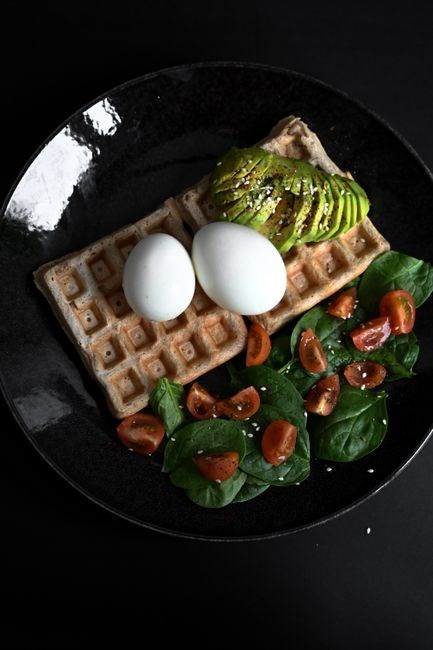
A 2,000‑calorie plan allocates 30% protein, 20% fat, 30% carbs, 20% fiber. Protein: 150 g, fat: 44 g, carbs: 150 g, fiber: 30 g. Adjust portions for weight loss or maintenance. Use the PDF template for precise macros. Daily logs track macro shifts, and PDF includes a chart for swapping legumes or nuts tweak intake.!
Protein Requirements for Vegetarians
Vegetarians rely on plant proteins to meet daily needs. The Dietary Guidelines recommend 0.8 g protein per kilogram of body weight for healthy adults, but athletes or those on calorie‑restricted diets may need 1.0–1.3 g/kg. A high‑protein low‑carb vegetarian plan typically targets 120–150 g per day, achievable with 100 g soy (tofu, tempeh, edamame), 30 g dairy or dairy‑free alternatives, 20 g nuts or seeds, and 15–20 g legumes. Pairing foods—e.g., lentils with oats or beans with quinoa—ensures a complete amino‑acid profile. Tracking intake with a PDF meal‑planning template helps maintain consistency and adjust portions based on training or body‑composition goals. This intake supports muscle repair, immune function, and satiety, helping to reduce cravings for sugary snacks. Because carbohydrate content is limited, protein plays a key role in maintaining energy levels throughout the day.
Plant proteins often lack one essential amino acid; combining legumes with nuts or seeds compensates. Fermented soy products like tempeh improve digestibility. Incorporating seeds like chia or hemp adds omega‑3 fatty acids and further improves protein quality. Use the PDF’s macro calculator to verify that each meal meets the target protein range. Include a “Protein Pairing Chart” in the PDF to list complementary sources, and reference it during grocery shopping. Stay hydrated; adequate water supports protein metabolism and prevents constipation from increased fiber.
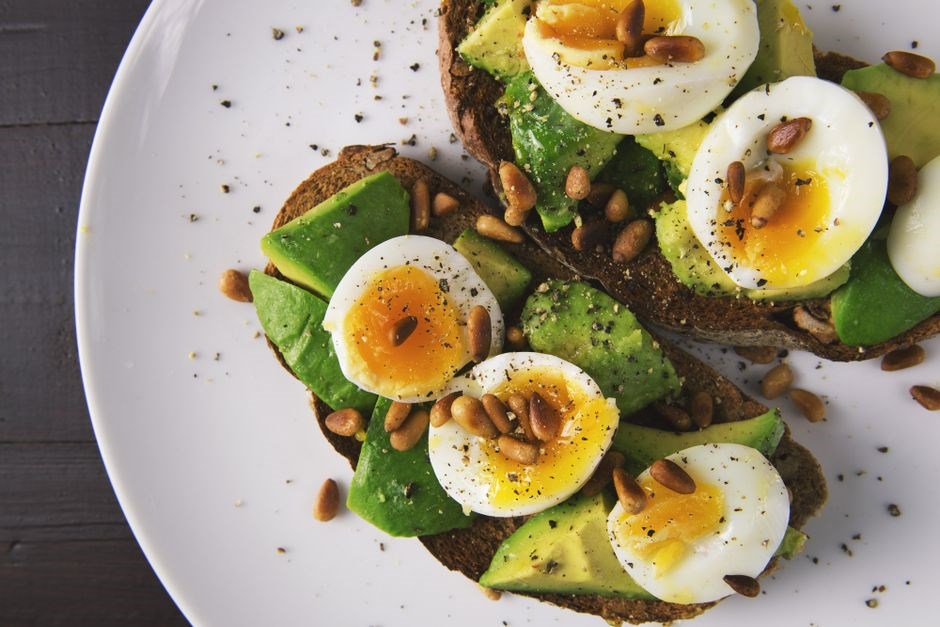
By following these guidelines, vegetarians can confidently achieve protein goals while enjoying a diverse, low‑carb diet that supports health and performance. Adjust portions when activity rises or weight changes; a dietitian can tailor plan to your needs!!!..;
Carbohydrate Limits and Fiber Goals
In a high‑protein low‑carb vegetarian plan, carbohydrate intake is usually capped at 50–80 g net per day to keep insulin spikes low and promote fat oxidation. Net carbs are calculated by subtracting fiber from total carbohydrates; A typical 2,000‑calorie PDF menu therefore allocates 20–25% of calories to carbs, roughly 100–125 kcal, or 25–30 g net carbs. Fiber targets are set at 25–30 g per day to support satiety, gut health, and glucose control. Sources include non‑starchy vegetables (broccoli, spinach, cauliflower), legumes (lentils, chickpeas), nuts, seeds, and low‑glycemic fruits (berries). The PDF template lists each meal’s net carb count and fiber content, so you can swap a high‑fiber quinoa bowl for a low‑carb cauliflower rice dish without exceeding limits. Tracking net carbs also helps avoid hidden sugars in dressings, sauces, and processed vegan products. By keeping total carbs low and fiber high, the diet maintains stable blood sugar, reduces cravings, and supports long‑term weight management while still delivering the protein density needed for muscle maintenance and recovery. Additionally, incorporating fermented soy products like tempeh or miso not only boosts protein but also adds beneficial probiotics that aid digestion and enhance nutrient absorption. Monitoring net carbohydrate intake with a dedicated spreadsheet or mobile app ensures compliance and allows quick adjustments when meal portions change or when you plan a higher‑intensity training session. Consistency in tracking keeps the diet effective and sustainable over the long term. Finally, pairing each protein source with a small serving of high‑fiber vegetables ensures a balanced micronutrient profile and keeps the meal satisfying. This approach aligns with the latest dietary guidelines and supports overall metabolic health!
Calorie Sizing for Different Goals
When designing a high‑protein low‑carb vegetarian PDF, calorie targets shift with intent. For weight loss, a 500‑calorie deficit from maintenance is common; a 1,800‑calorie day often suffices for most adults, providing 120–140 g protein, 40–50 g fat, and 60–70 g net carbs; Maintenance plans hover around 2,000–2,200 calories, balancing 140–160 g protein, 60–70 g fat, and 80–90 g net carbs to sustain energy and muscle mass. Muscle‑building regimens add 200–400 calories, reaching 2,200–2,600 calories, with protein at 160–180 g, fat 70–80 g, and carbs 90–110 g net to fuel recovery. Adjustments are made by swapping protein‑dense foods—tempeh, seitan, Greek yogurt—or by adding healthy fats like avocado and nuts. The PDF includes a “calorie calculator” table that lets users input weight, height, age, activity level, and goal, outputting a personalized daily target. Tracking with a mobile app or spreadsheet ensures adherence and keeps the diet sustainable over time. This structured sizing keeps macros aligned, supports metabolic health, and keeps the diet sustainable over time. By tailoring macro splits, vegetarians can fine‑tune their intake for specific training phases, ensuring that protein remains the top priority while carbs stay low enough to maintain ketosis or insulin sensitivity. The PDF also offers a quick reference chart for converting common pantry items into macro‑friendly portions, making it easier to stay on track during busy days. Users can export the PDF to a format, referencing macro totals on the go and adjusting portions based on hunger daily and workout intensity!!
Meal Planning Strategies
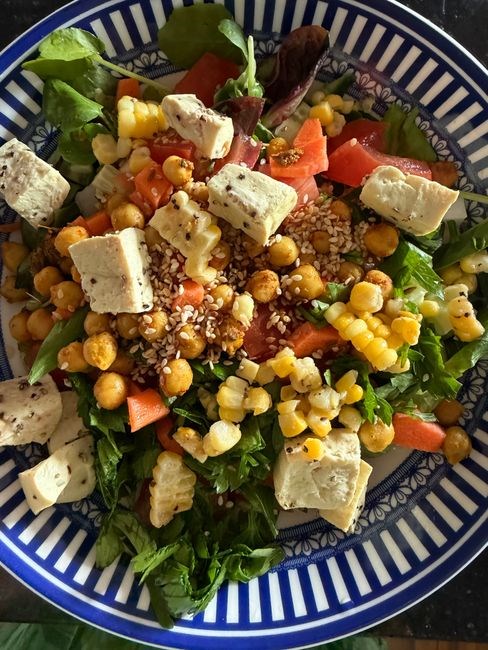
Use batch‑cooking and portion control. Prepare protein blocks (tofu, tempeh, eggs) and pair with low‑carb veggies. Rotate legumes for variety, and add nuts for snacks. Plan meals around macro goals, using a printable PDF template for daily tracking. Use a calendar for consistency now.
Sample 7-Day Meal Plan Overview
Our 7‑day PDF blueprint delivers 2,000 calories daily, with 150–170 g protein, 50–60 g fat, 70–90 g net carbs. Each day starts with a protein‑dense breakfast—Greek yogurt, chia seeds, and berries—followed by tofu stir‑fry with broccoli and bell pepper. Dinner centers on a lentil‑based curry or a chickpea‑spinach skillet, paired with cauliflower rice. Snacks feature nut butter on cucumber slices, hard‑boiled eggs, or a small portion of edamame. The plan cycles through different protein sources to keep flavor fresh while meeting macro targets. A printable PDF format lists ingredients, quantities, and step‑by‑step instructions, allowing you to prep in bulk and portion for the week. Adjust portion sizes to align with personal calorie goals, use the built‑in macro tracker to stay on target. This structured approach simplifies grocery shopping, reduces meal‑prep time, supports weight management daily!
Day 1: tofu scramble with spinach and mushrooms; Day 2: tempeh tacos with lettuce wraps; Day 3: chickpea salad with avocado; Day 4: lentil soup with roasted Brussels sprouts; Day 5: quinoa‑free stir‑fry with seitan; Day 6: bean‑based chili; Day 7: protein‑rich smoothie bowl. Each day’s menu balances net carbs low while maximizing satiety and micronutrient density. The PDF includes a shopping list segmented by aisle, a meal‑prep schedule, and a quick‑reference macro chart. Users can export the plan to PDF, print, or sync with a mobile app for on‑the‑go tracking. Weekly check‑ins keep macros on track every day!!.
Daily Meal Structure (Breakfast, Lunch, Dinner, Snacks)
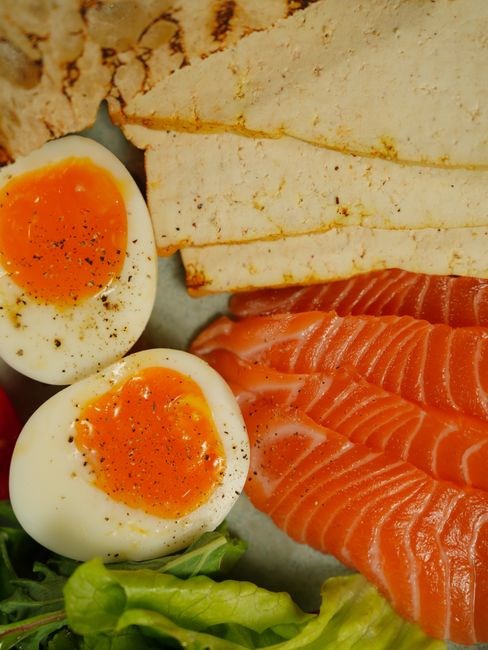
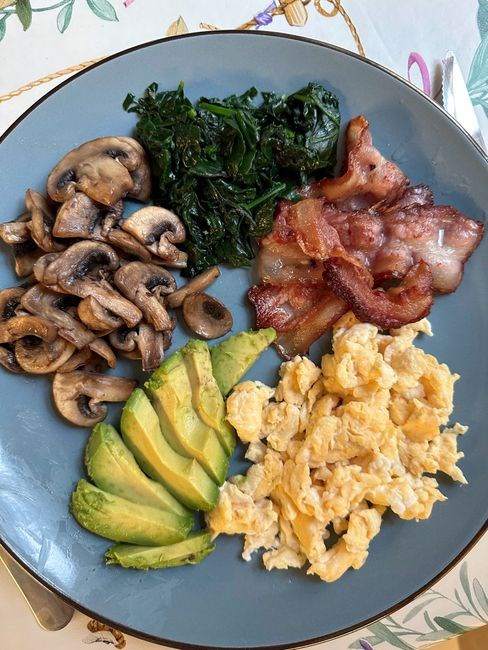
Breakfast kicks off the day with a protein‑dense, carb‑tight start: a 2‑egg omelet loaded with spinach, mushrooms, and a light dusting of feta, served alongside a half‑cup of unsweetened almond milk and a handful of mixed berries. This combo delivers roughly 20–25 g protein, 15 g fat, and 8 g net carbs, keeping insulin spikes low while supplying sustained energy. Lunch mirrors this balance with a tofu and vegetable stir‑fry sautéed in coconut oil, served over cauliflower rice and finished with a squeeze of lime. The plate offers about 25–30 g protein, 18 g fat, and 12 g net carbs, plus a generous fiber boost from the veggies. Dinner centers on legumes and leafy greens: a chickpea‑spinach curry simmered in light coconut milk, paired with roasted Brussels sprouts. It nets 28–32 g protein, 20 g fat, and 10 g net carbs, with the sprouts adding 4 g fiber. Snacks are spaced to maintain satiety and curb cravings. A mid‑morning option might be a small handful of walnuts with a hard‑boiled egg, providing 12 g protein and 15 g fat. Mid‑afternoon, a Greek yogurt parfait with chia seeds and a dash of cinnamon supplies 15 g protein and 8 g net carbs. Evening snacks stay light: a cucumber slice with hummus or a pea‑protein shake made with unsweetened almond milk, each delivering 20 g protein and 5–7 g net carbs. Hydration is key—aim for 2–3 liters of water, herbal teas, or black coffee throughout the day. The PDF layout includes a visual timeline that marks meal times, portion sizes, and macro breakdowns, allowing users to tweak portions on the fly. A quick reference table lists common substitutions—such as swapping tofu for tempeh or chickpeas for black beans—to keep variety high and boredom low. Users can track progress with a built‑in calorie counter that updates as they log each meal, ensuring they stay within their target range for weight loss or maintenance. Finally, the plan encourages mindful eating: chew each bite slowly, savor flavors, and listen to hunger cues. This practice improves digestion and reinforces the habit of eating until satisfied, not until the plate is empty.
Essential Food Sources
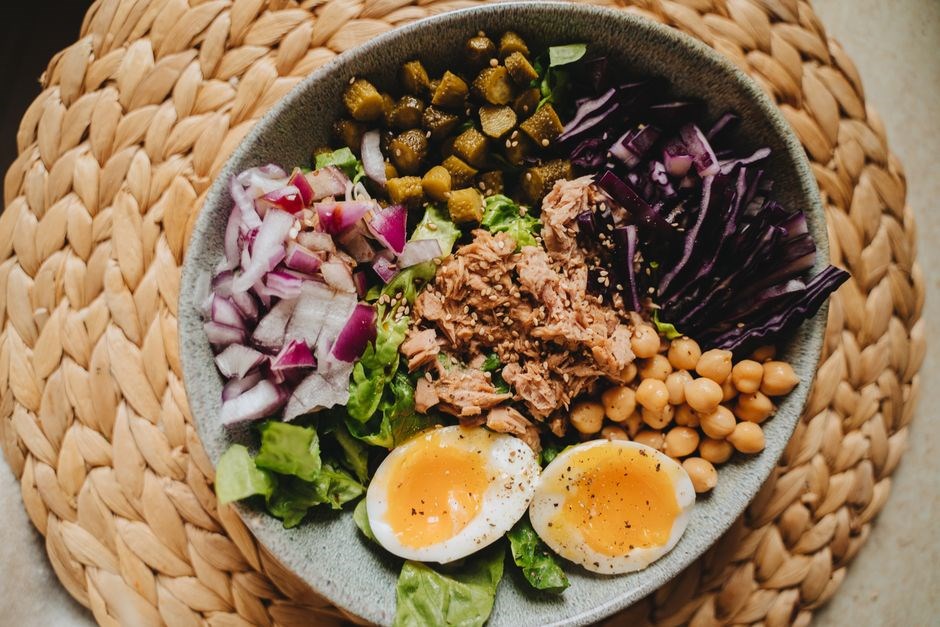
Top staples: tofu, tempeh, seitan, eggs, Greek yogurt, cottage cheese, quinoa, lentils, chickpeas, black beans, edamame, nuts, seeds, and low‑carb veggies like spinach, broccoli, cauliflower, zucchini, and mushrooms. Pair proteins with fiber‑rich greens for balance. Add whey or pea protein shake for muscle daily.
Top 10 High-Protein Low-Carb Vegetarian Foods
Below is a concise reference for high‑protein, low‑carb vegetarian foods. Each entry lists protein per 100 g, a brief note, and a carb‑friendly serving idea. Use these as building blocks for balanced, low‑sugar menus;
- Tofu (firm) – 8 g protein, 1.9 g carbs. Stir‑fries or grilled slices.
- Tempeh – 19 g protein, 9 g carbs. Thin slices, sear, pair with kale.
- Seitan – 25 g protein, 14 g carbs. Mimics meat; great in tacos or kebabs.
- Greek yogurt (non‑fat) – 10 g protein, 3.6 g carbs. Top with berries or chia.
- Cottage cheese – 11 g protein, 3.4 g carbs. Mix with cucumber and dill.
- Edamame – 11 g protein, 8.9 g carbs. Steam and season with sea salt; serve as protein‑rich side.
- Chickpeas (cooked) – 8.9 g protein, 27 g carbs. Roast for a crunchy snack or blend into hummus.
- Lentils (cooked) – 9 g protein, 20 g carbs. Use in salads, soups, or as a base for veggie bowls.
- Quinoa (cooked) – 4.4 g protein, 21 g carbs. Pair with roasted vegetables for a wholesome bowl.
- Almonds – 21 g protein, 22 g carbs. Consume 30 g as a snack or sprinkle over oatmeal.
These foods collectively provide a versatile framework for creating calorie‑controlled, protein‑rich vegetarian PDFs while keeping carbohydrate intake modest. Adjust portion sizes to meet specific macro targets. Enjoy Thrive. OK!!
Complementary Plant-Based Protein Pairings
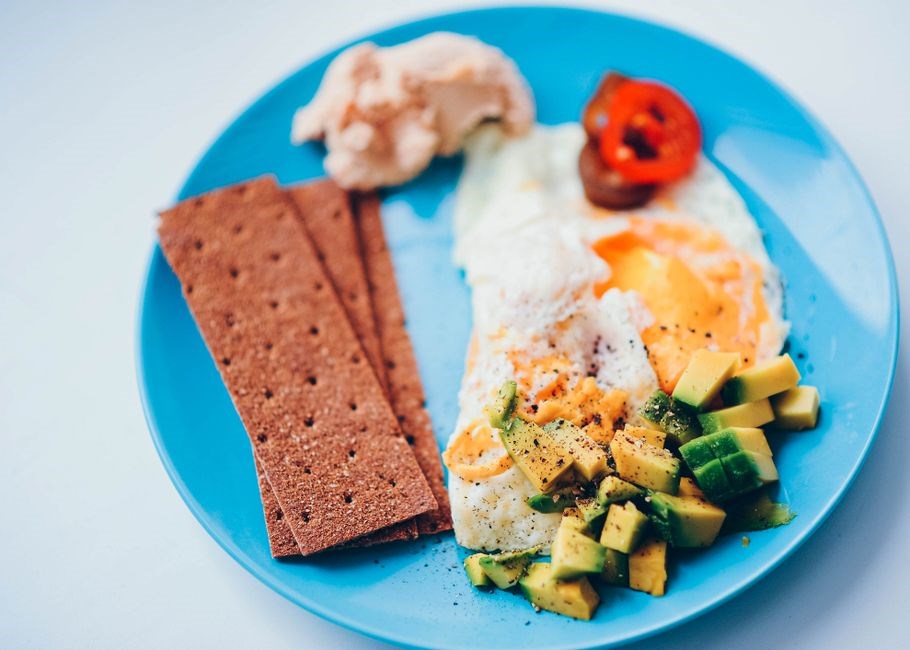
Pairing complementary proteins maximizes amino‑acid coverage while keeping carbs low. Classic combos include legumes with whole grains, nuts with seeds, and soy with wheat derivatives. For example, chickpeas (8.9 g protein/100 g) paired with quinoa (4.4 g protein/100 g) delivers a complete profile, adding only 21 g carbs from quinoa. Tofu (8 g protein/100 g) with tempeh (19 g protein/100 g) offers a rich, low‑carb matrix, especially when sautéed with spinach and a splash of soy sauce. Lentils (9 g protein/100 g) and black beans (8.9 g protein/100 g) in a salad with avocado (2 g protein/100 g) supply 20 g protein and 12 g net carbs. Almonds (21 g protein/100 g) with pumpkin seeds (19 g protein/100 g) create a crunchy snack of 40 g protein and 12 g carbs. Greek yogurt (10 g protein/100 g) topped with chia seeds (16 g protein/100 g) and flaxseed (18 g protein/100 g) delivers 44 g protein and 6 g carbs. Seitan (25 g protein/100 g) with sautéed broccoli (2.8 g protein/100 g) and tahini (5 g protein/100 g) rounds out a savory, protein‑dense option.
- Combine lentils with quinoa to form a complete protein bowl, adding roasted veggies for extra fiber.
- Swap tofu for tempeh in stir‑fries to vary texture while keeping protein high and carbs low.
- Use hemp seeds atop Greek yogurt, mixing chia and flaxseed for a crunchy, protein‑rich breakfast;
- Pair seitan with sautéed kale and a drizzle of tahini for a savory, low‑carb dinner that satisfies.
Feel free to add spices, herbs, sauces to customize dailynow flavor today, carbs.
By rotating these pairings, you can meet protein targets, keep carb intake modest, and enjoy a variety of textures and tastes that support adherence to a lifestyle!
Practical Tips for Creating a PDF Meal Plan
Use a spreadsheet to track macros, then export to PDF via Google Sheets or LibreOffice. Incorporate a template with meal slots, color‑code protein, carb, fat. Add a quick‑reference cheat sheet for protein sources. Save as PDF and share via cloud for easy access. Add QR code for recipe lookup now! 12.
Tools and Templates for PDF Generation
Tools for turning a high‑protein, low‑carb vegetarian menu into a polished PDF are plentiful. Begin by compiling the daily meals and macro data in a spreadsheet—Google Sheets or Microsoft Excel—then export the table as a CSV. Import the CSV into a word processor or design program. Canva’s free meal‑planner templates let you drag and drop images, replace placeholder text, and adjust the color palette; hit “Download as PDF” for instant sharing. For more control, Adobe InDesign or Affinity Publisher create master pages, auto‑sum macros in tables, and embed hyperlinks to recipe PDFs. If you prefer code, LaTeX with the geometry and longtable packages produces a clean, print‑ready document; compile with pdflatex for a professional‑looking PDF. PDFCreator or CutePDF merge multiple files—weekly menu, grocery list, macro cheat sheet—into one cohesive PDF. All these tools support exporting to high‑resolution PDFs suitable for printing or mobile sharing, ensuring your plan is accessible wherever you go. When selecting a template, look for daily totals, a macro tracker, and a notes section. Set margins to 1 inch, use a sans‑serif font like Arial or Helvetica, and keep body text 10–12 pt. Add a footer with page numbers and a brief disclaimer about consulting a registered dietitian. Proofread, check links, and run a PDF/A check for long‑term archiving. Save the final file in PDF/A‑1b and PDF‑X3 formats, and keep the size under 5 MB for easy email or cloud sharing