Capezio Size Guide: A Comprehensive Overview (Updated 04/14/2026)
Capezio offers a wide range of sizes for all ages, with recommendations to size up two sizes from street shoe size for children’s Luna models.
Understanding Capezio Sizing Philosophy
Capezio’s sizing approach prioritizes a secure and comfortable fit for dancers, acknowledging the unique demands of dance movement. Unlike standard street shoe sizing, dance shoes require a closer, more precise fit to facilitate proper technique and prevent injury. Capezio often recommends sizing up, particularly in children’s models like the Luna, to accommodate growing feet and allow for comfortable movement.
However, this isn’t a universal rule; specific models, such as the Lily (replacing the Luna), may have different sizing recommendations. Width is also a crucial consideration, with Capezio utilizing a “M” designation for medium width, and offering options for wider feet. Understanding these nuances is key to selecting the correct size and ensuring optimal performance and comfort.
General Sizing Recommendations
Capezio generally advises dancers to measure their foot length accurately for the best fit. For children, allowing some growing room is essential, but excessive space can hinder technique. A common recommendation for the Luna dance sneaker is to size up two sizes from their regular street shoe size. However, the newer Lily model, replacing the Luna, may require a different approach – always check model-specific guides.
Adults should also prioritize a snug, but not constricting, fit. When ordering online, comparing foot measurements to Capezio’s size charts is crucial. Visiting a dancewear store for a professional fitting is highly recommended, especially for children, to ensure proper sizing and width considerations.
Capezio Kids’ Shoe Sizing
Capezio provides specific sizing charts for children’s dance shoes, recognizing the importance of a proper fit for developing feet. US Child sizing is the primary reference point, but conversions to UK and EU sizes are readily available. A UK Junior 12 corresponds to an EU 30.5, while a UK Junior 13 equates to EU 32, and 13.5 to EU 32.5.
It’s vital to remember that the Luna dance sneaker is often recommended to be sized two sizes larger than a child’s everyday shoe size. Accurate foot measurement is key, and professional fittings at a dancewear shop are invaluable for determining the optimal size and accounting for growing room.
US Child Sizing Chart
While a comprehensive chart isn’t directly provided in the source material, understanding the sizing progression is crucial. Capezio’s US Child sizing begins with smaller sizes and increases incrementally. Sizes typically range from US Child 11, progressing through 12, 13, and then into larger child sizes like 2, 3, and beyond.
It’s important to note that sizing can vary slightly between different Capezio shoe models. For the Luna sneaker, a recommendation exists to size up two sizes from the child’s regular street shoe size. Always prioritize a comfortable fit, ensuring toes aren’t cramped and allowing for natural foot movement during dance activities.
Converting US Child to UK/EU Sizes
Converting between US Child, UK, and EU sizes for Capezio shoes requires careful attention, as inconsistencies can occur. Based on available information, a UK Junior 12 generally corresponds to an EU size 30.5. A UK Junior 13 equates to an EU 32, while a UK 13.5 is an EU 32.5.
However, it’s noted that Capezio sometimes exhibits inconsistencies in their sizing – a UK Junior 12 being listed as a EU 31 in some instances. When purchasing, especially online, it’s best to consult multiple conversion charts and prioritize trying shoes on in-store for the most accurate fit. Remember these are guidelines, and individual shoe models may vary.
Capezio Adult Shoe Sizing
Capezio adult shoe sizing utilizes US Ladies’ sizes as a primary reference point, alongside conversions to UK and EU standards. The brand offers a comprehensive range of sizes to accommodate diverse foot shapes and sizes. When transitioning from street shoe sizes, it’s generally recommended to begin with a size two numbers larger for men’s shoes.
Many Capezio shoes sold in the UK store utilize both UK and EU sizing concurrently. For example, a US size 3.5 often corresponds to a UK size 1.5. It’s crucial to consult specific size charts for each shoe model, as variations can occur. Prioritizing an in-store fitting is highly recommended for optimal accuracy.
US Ladies’ Sizing Chart
Capezio’s US Ladies’ sizing chart provides a foundational guide for selecting the appropriate shoe size. The chart correlates US Ladies’ sizes with corresponding foot lengths, aiding in accurate selection. Generally, a US Ladies’ size 4-5 corresponds to a Child Medium, while 6-7 aligns with Child Large. Sizes 8-9 map to Child X-Large, and 10-11 to Adult Petite. Finally, 12-13 equates to Adult Small.
However, it’s vital to remember these are general guidelines. Individual foot shapes and preferences can necessitate adjustments. Always consider width and volume when determining the best fit. Consulting specific model sizing recommendations is crucial, as variations exist. Prioritizing a professional fitting ensures optimal comfort and performance.
Converting US Ladies’ to UK/EU Sizes
Capezio frequently utilizes UK and EU sizing, particularly within its UK store offerings. Converting from US Ladies’ sizes requires careful attention to detail, as direct correlations aren’t always straightforward. A UK Junior 12 typically equates to an EU 30.5, while a UK Junior 13 corresponds to EU 32. A UK 13.5 is an EU 32.5, though inconsistencies exist – a UK 12 sometimes appears as EU 31.
These conversions serve as a starting point, but individual shoe models may vary. Always cross-reference with the specific product’s size chart for the most accurate information. When in doubt, it’s best to consult a professional fitter or contact Capezio customer support for personalized guidance.
Specific Capezio Shoe Models & Sizing
Capezio’s sizing can differ significantly between models, necessitating a tailored approach for each style. The Luna dance sneaker, a popular choice, traditionally recommends sizing up two sizes from a customer’s regular street shoe size. However, with the introduction of the Lily, a replacement for the Luna, this recommendation has changed – sizing guidance for the Lily may vary.
Understanding these model-specific nuances is crucial for a comfortable and accurate fit. Always prioritize checking the individual size chart provided for the specific Capezio shoe you are considering. This ensures optimal performance and prevents discomfort during dance activities.
Capezio Luna Dance Sneaker Sizing
The Capezio Luna dance sneaker requires careful consideration when determining the correct size. A common recommendation, particularly noted in UK stores, is to size up by two full sizes compared to your everyday street shoe size. This accounts for the snug fit desired for dance and allows for comfortable foot movement.
However, individual foot shapes and preferences can influence the ideal fit. It’s vital to consider width, as Capezio uses an “M” designation for medium width. If you’re between sizes, or have wider feet, opting for the larger size is generally advisable. Prioritize a fit where toes lie flat, not cramped, within the reinforced toe box.
Capezio Lily Dance Sneaker Sizing (Replacement for Luna)
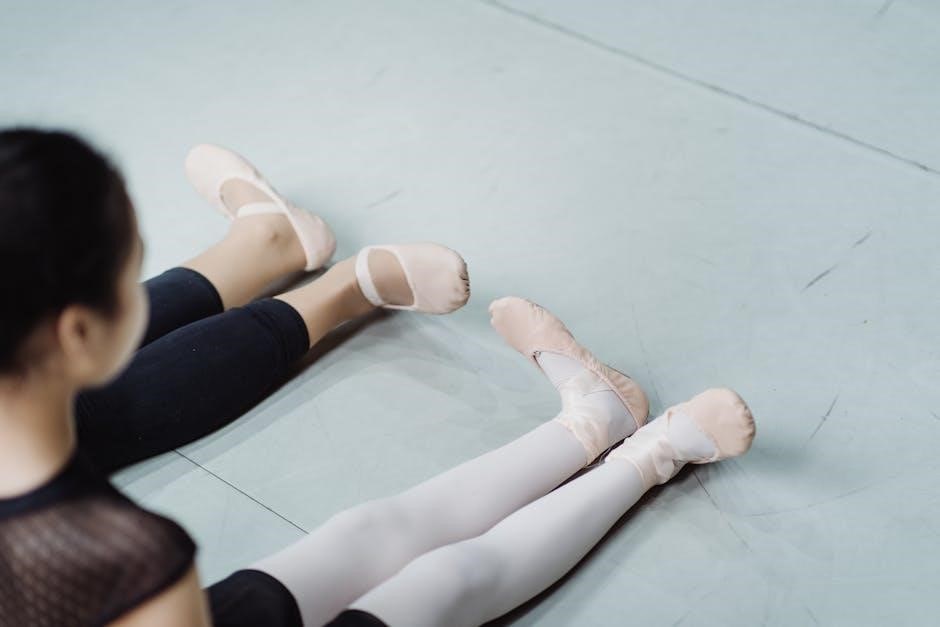
The Capezio Lily is designed as a replacement for the popular Luna sneaker, but sizing differs! Unlike the Luna’s recommendation of sizing up two sizes from street shoe size, the Lily generally requires a closer fit to your regular shoe size. This change is crucial to remember when transitioning between models.
It’s highly recommended to try the Lily on in-store, if possible, to ensure an accurate fit. Pay attention to toe room and overall comfort. While the width remains consistent with the “M” designation for medium, consider trying a wider size if you typically require extra width in athletic shoes. Proper fit is essential for optimal performance and comfort.
Sizing Differences: Luna vs. Lily
The key difference between the Capezio Luna and Lily lies in the recommended sizing approach. The Luna consistently advised dancers to order two sizes larger than their standard street shoe size to accommodate for proper fit and growing room, particularly for children. However, the Lily sneaker generally fits truer to size.
This shift means you shouldn’t automatically apply the Luna sizing rule to the Lily. Ordering your usual shoe size is often sufficient, but a half size up might be necessary for those preferring a slightly looser fit or anticipating foot growth. Always prioritize trying on the Lily to confirm the best fit, as individual foot shapes vary.
Capezio Lyrical and Modern Shoe Sizing
Capezio’s lyrical and modern shoe sizing differs slightly between child and adult sizes. For children, a sizing guide suggests correlating US child sizes (11-12, 13-1, 2-3) with corresponding sizes like Child Medium, Large, and X-Large. This provides a broader fit range based on developmental stages.
Adult sizing utilizes US Ladies’ sizes (4-5, 6-7, 8-9, 10-11, 12-13) and maps these to Adult Petite, Small, Medium, and Large. It’s crucial to consult the official Capezio chart for precise conversions. Remember that lyrical and modern shoes often require a snug fit for optimal control and technique, so prioritize a secure, comfortable feel.
US Child Sizing for Lyrical/Modern
Capezio’s US Child sizing for lyrical and modern shoes utilizes a tiered system, moving beyond standard numerical sizes. A US Child size 11-12 typically corresponds to a “Child Medium” size in Capezio’s lyrical/modern range. Progressing to sizes 13-1, the recommended size shifts to “Child Large,” offering a slightly more generous fit for growing feet.
Finally, sizes 2-3 are designated as “Child X-Large,” accommodating older or larger children. This system prioritizes a comfortable yet secure fit essential for lyrical and modern dance movements. Always refer to the official Capezio sizing chart for the most accurate measurements and consider professional fitting for optimal results.
US Ladies’ Sizing for Lyrical/Modern
Capezio’s US Ladies’ sizing for lyrical and modern dance shoes follows a similar tiered approach to the child sizes, but caters to adult foot dimensions. A US Ladies’ size 4-5 equates to an “Adult Petite” size, designed for a smaller, more delicate foot. Moving up to sizes 6-7, the recommendation is “Adult Small,” providing a standard fit for many dancers.
Sizes 8-9 correspond to “Adult Medium,” and larger sizes, 10-11 and 12-13, are categorized as “Adult Large.” This ensures a secure and comfortable fit for a wider range of adult dancers. As with all Capezio shoes, consulting the official sizing chart and considering a professional fitting is highly recommended.
Width Considerations in Capezio Shoes
Capezio acknowledges that not all feet are created equal, and width is a crucial factor in achieving a comfortable and supportive fit. The standard width designation in most Capezio shoes is indicated by the letter “M,” signifying a medium width. This caters to the average foot shape, but options are available for those needing more or less room.
Dancers with wider feet should actively seek out shoes offered in wider widths, often denoted by a “W” or similar indicator. Conversely, those with narrower feet may benefit from exploring styles designed for a slimmer profile. Proper width fitting prevents discomfort, blisters, and potential injuries during dance practice and performance.
Understanding the “M” Width Designation
The “M” in Capezio shoe sizing represents the standard, or medium, width. This designation is designed to comfortably accommodate the average foot shape for both children and adults. It’s a crucial starting point when selecting dance shoes, but shouldn’t be considered a universal fit. Many dancers find their feet don’t perfectly align with the ‘medium’ standard.
Understanding this baseline allows for informed adjustments. If a shoe feels constricting on the sides, or if your foot spills over the sole, a wider width is likely needed. Conversely, excessive looseness suggests a narrower width might be more appropriate. Always prioritize comfort and proper foot support when choosing your size.
Sizing for Wide Feet
Dancers with wider feet often require adjustments beyond simply selecting a larger size in Capezio shoes. While going up a size can provide more length, it doesn’t necessarily address width concerns, potentially leading to instability and discomfort. Explore options specifically designed for wider feet if available within the Capezio range.
If wider widths aren’t offered, consider styles with more flexible materials or adjustable features like laces or straps. These allow for a customized fit. Prioritize a snug, yet comfortable, feel without pinching or restricting movement. Professional fitting at a dancewear store is highly recommended to ensure optimal support and prevent injuries.
Sizing for Growing Feet (Children)
When purchasing Capezio dance shoes for children, accounting for growth is crucial, but excessive room can be detrimental. Too much space compromises technique and increases the risk of injury. Experts recommend a small amount of growing room – approximately half an inch or one thumb’s width – beyond the longest toe.
Regularly check the fit, as children’s feet grow rapidly. Avoid buying shoes significantly larger anticipating future growth. Ill-fitting shoes can cause blisters, discomfort, and hinder proper foot development. Prioritize a professional fitting at a dancewear store to determine the optimal size and ensure a secure, supportive fit for young dancers.
Allowable Growing Room
Determining the correct amount of growing room in Capezio dance shoes for children is vital for comfort and technique. Generally, aim for approximately half an inch (1.27 cm) or the width of a thumb between the longest toe and the shoe’s end. This allows for natural foot growth without compromising control.
However, avoid excessive space, as it can lead to instability and potential injuries. Regularly check the fit, especially during growth spurts. A snug, yet comfortable fit is ideal. Remember that the Luna model is often recommended to be sized two sizes larger than a child’s street shoe size, factoring in this growing room consideration.
Ordering Capezio Shoes Online vs. In-Store
Both online and in-store purchases of Capezio shoes have advantages. Online shopping offers convenience and a wider selection, but accurate self-measurement is crucial. Utilizing Capezio’s size charts and carefully measuring foot length are essential to minimize returns.
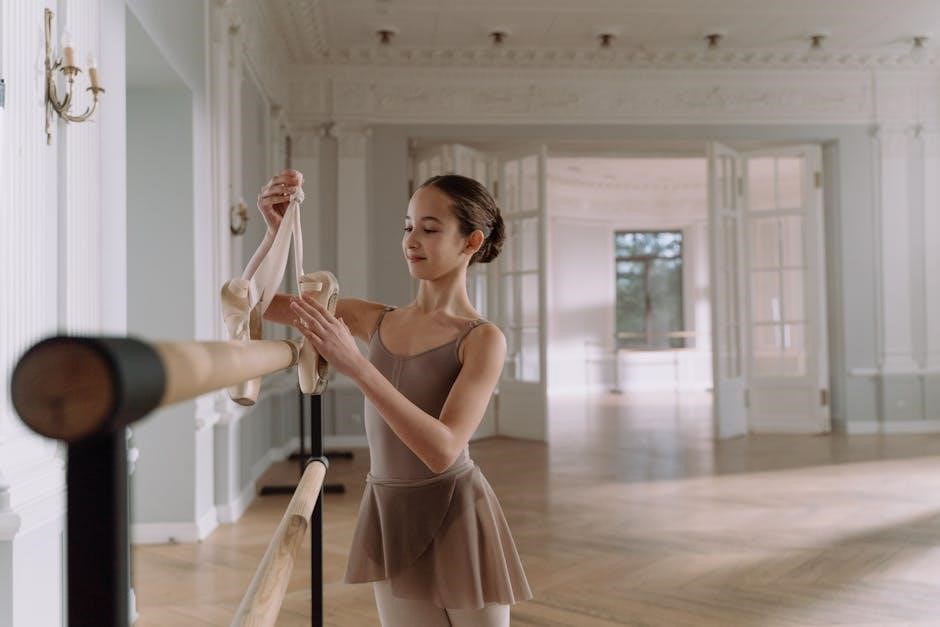
However, in-store fittings are highly recommended, particularly for children. Experienced staff can assess fit, account for growing room, and identify width requirements. They understand how dance shoes should fit, differing from street shoes. A professional fitting ensures optimal comfort, support, and technique, reducing the risk of ill-fitting shoes causing discomfort or injury.
Benefits of In-Store Fitting
Capezio experts at dance shops provide invaluable benefits during fittings. They assess not just length, but also width and the unique needs of a dancer’s feet. Professionals understand appropriate growing room for children, avoiding shoes that are too large and compromise technique.
In-store fitting allows for a dynamic assessment – observing how the shoe feels while mimicking dance movements. Staff can identify pressure points or areas of discomfort that might not be apparent when standing still. This personalized approach minimizes sizing errors and ensures a comfortable, supportive fit, crucial for preventing blisters and maximizing performance.
Tips for Accurate Measurement
Accurate foot measurement is paramount for selecting the correct Capezio size. Measure both feet, as discrepancies are common, and use the larger measurement as your guide. Measure foot length while standing with weight evenly distributed, ensuring the heel is against a wall.
Use a ruler or measuring tape, extending from the back of the heel to the tip of the longest toe. It’s best to measure at the end of the day when feet are slightly swollen. Trace the foot onto paper as a backup, and always measure in socks similar to those worn during dance. Re-measure periodically, especially for growing children!
Measuring Foot Length
To accurately measure foot length for Capezio sizing, place a piece of paper against a wall. Stand with your heel firmly against the wall and trace the outline of your foot. Ensure your weight is evenly distributed.
Using a ruler or measuring tape, measure the distance from the back of the heel tracing to the tip of the longest toe. Measure both feet, as sizes can vary. Use the larger measurement for shoe selection. It’s recommended to measure at the end of the day when feet are at their largest. Repeat the measurement a couple of times to ensure accuracy.
Common Sizing Mistakes to Avoid
A frequent error is assuming street shoe size directly translates to Capezio dance shoe sizing. Remember the Luna often requires sizing up two sizes from your regular shoe size, while the Lily replacement may differ.
Ignoring width is another mistake; consider the “M” designation for medium width and explore wider options if needed. Don’t overestimate growing room for children – too much space compromises control. Always measure both feet, using the larger measurement. Finally, relying solely on online size charts without professional fitting can lead to inaccuracies. Prioritize in-store fittings when possible for optimal results.
Capezio Men’s Shoe Sizing
For men, a crucial starting point is to increase two sizes from your standard street shoe size when selecting Capezio dance shoes. This adjustment accounts for the specific fit requirements of dance footwear, prioritizing comfort and performance.
Conversion charts are available, but individual foot shapes vary. It’s advisable to consult detailed size guides provided by Capezio, and ideally, try shoes on in-store. Pay attention to width, as men’s feet often require wider fits. Remember that half sizes are available, and don’t hesitate to size up if you’re between sizes or have particularly broad feet.
Men’s Sizing Conversion from Street Shoe Size
Generally, men should begin with a shoe size two sizes larger than their typical street shoe size when transitioning to Capezio dance footwear. However, this is a starting point, and individual variations exist. A street shoe size of 9, for example, might translate to a Capezio men’s size 11.
It’s crucial to remember that this conversion isn’t absolute. Factors like foot width and the specific Capezio model influence the ideal fit. Always prioritize trying on shoes or consulting detailed size charts. Consider adding an extra half size if you prefer a more relaxed fit or have wider feet. Accurate measurement is key for optimal comfort and performance.
Half Sizes and Extreme Feet
Capezio acknowledges that not all feet fit neatly into standard sizes. For those requiring half sizes, or possessing feet considered “extreme” in width or length, the recommendation is consistently to size up to the next full size. This ensures adequate comfort and prevents constriction, crucial for dance performance and foot health.
Don’t hesitate to move from a 9.5 to a 10, or a 10 to an 11, if you find yourself between sizes or experience any discomfort. Prioritize a fit that allows for natural toe splay and avoids pressure points. When in doubt, erring on the side of slightly larger is preferable, especially for growing feet.
When to Size Up
Determining when to size up in Capezio shoes is vital for optimal fit and performance. If you experience any toe crunching or discomfort when wearing the shoe, immediately consider a larger size. Remember the Luna dance sneaker is often recommended to be sized two sizes larger than your typical street shoe size, particularly for children;
For those with wider feet, or if you’re between sizes, always opt for the larger option. A snug, but not constricting, fit is ideal. Prioritize ample space in the toe box to allow for natural movement and prevent blisters. Don’t compromise comfort for a perceived “perfect” fit.
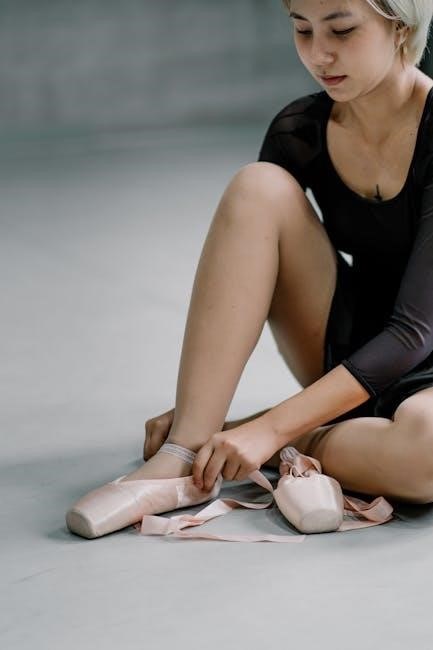
Return and Exchange Policies (Capezio)
Capezio’s return and exchange policies are designed to ensure customer satisfaction, though specifics can vary based on the retailer and purchase location. Generally, unworn merchandise with original tags attached is eligible for return or exchange within a specified timeframe – typically 30 days from the date of purchase.
Proof of purchase is usually required. Items purchased online may have different return procedures than those bought in-store. It’s crucial to review the policy of the specific vendor where you made your purchase. Some items, like personalized dancewear, may be final sale and ineligible for return. Always retain your receipts!
Resources for Further Assistance
Capezio provides several avenues for customers needing sizing guidance or support. The Official Capezio Online Store (Shop the Official Capezio Online Store) is a great starting point, offering detailed size charts and product descriptions. For personalized assistance, Contacting Capezio Customer Support directly is recommended; their team can address specific concerns and provide tailored recommendations.
Additionally, visiting a local dancewear retailer with knowledgeable staff is invaluable, especially for children’s sizing. These experts can assess fit and account for growing room. Online dance communities and forums can also offer peer-to-peer advice and shared experiences regarding Capezio sizing.
Official Capezio Online Store
The Official Capezio Online Store serves as a central hub for accessing comprehensive sizing information. Each product page typically features a dedicated size chart, detailing measurements for various shoe models and age groups. Customers can find detailed guidance for both children’s and adult sizes, including conversions between US, UK, and EU standards.
Beyond size charts, the online store often includes customer reviews that mention sizing experiences, offering valuable real-world insights. Regularly checking the store for updated sizing guides is advisable, as Capezio occasionally refines its recommendations based on customer feedback and product revisions.
Contacting Capezio Customer Support
For personalized assistance with sizing inquiries, reaching out to Capezio’s customer support team is highly recommended. They can provide tailored guidance based on specific shoe models and individual foot measurements. Support representatives are equipped to address questions regarding width considerations, growing feet, and potential sizing discrepancies between different styles, like the transition from Luna to Lily.
Customers can typically find contact information – including phone numbers and email addresses – on the official Capezio website. Be prepared to provide details about the shoe you’re interested in and, if possible, your foot measurements for a more accurate recommendation.
Understanding Reinforced Toe Space
Capezio dance shoes, particularly those designed for ballet or lyrical, often feature reinforced toe boxes. This construction provides support and protection for the dancer’s toes, enabling pointe work or secure landings. However, it’s crucial to ensure adequate space within the toe box to prevent discomfort or injury.
When fitting, ask the dancer if their toes lie flat and aren’t crunched against the end of the shoe, as you can’t feel this through the reinforcement. Proper toe alignment is essential; too little space restricts movement, while too much can compromise control. Consider this when assessing sizing, especially for growing feet.
Ensuring Proper Toe Alignment
Capezio shoes are designed to support proper foot and toe alignment, crucial for dance technique and preventing injuries. A well-fitted shoe allows toes to lie flat and naturally extended, avoiding cramping or pressure. The reinforced toe box should not restrict this natural positioning.
During fitting, have the dancer articulate their feet – point and flex – to assess how the shoe accommodates movement. Observe for any signs of toe compression or bunching. Remember, you can’t feel through the reinforced toe, so rely on the dancer’s feedback. Prioritize comfort and a natural toe position over simply matching a street shoe size.